
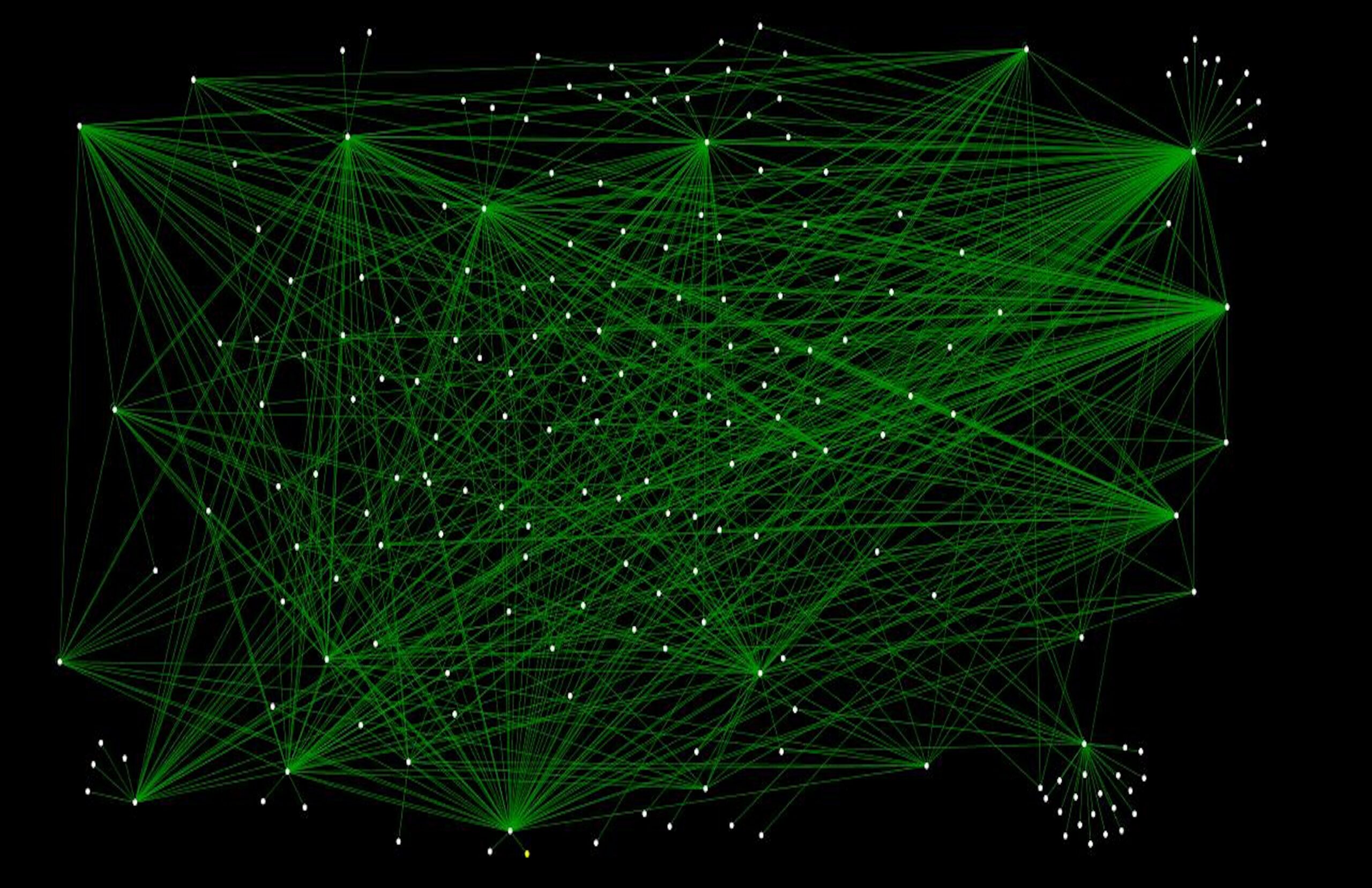
A Ligase Substrate Portfolio determined using our peptide-based POI targeting strategy
VistaraBio has determined the substrate repertoires of E3 ligases: APC, Siah1, IAP family, RNF8, TRIM28, and Parkin, as well as of proteins with other functions, such as, kinases and cis-trans-proline-isomerases.
Key observations:
- Each ligase has its own substrate universe, assembly logic, and toxicity modes as determined with compound treatments.
- The determined substrates frequently include published proteins and interaction motifs – but the reperoires are substantially larger than what the literature suggests.
- Many E3 ligases are multimodal with substrate engagement – cereblon, APC, RNF8, Siah1 and Parkin.
- E3 ligases may share accessory proteins required for ubiquitination of substrates.
Peptides as High-Fidelity Interfaces for Disease Modification
VistaraBio’s peptide platform uncovers hidden interaction logic inside neurodegenerative pathways. In Parkinson’s disease, peptides reveal how Parkin organizes substrate cohorts, how mutations collapse proteostasis, and how peptide therapeutics can restore network integrity.
Parkin Is a Poly-Glue
Parkin is a poly-glue scaffold that recruits cohorts of substrates using domain-specific homotypic peptide motifs.
Homotypic Peptide Motifs
Peptides reveal Parkin’s substrate-recruitment grammar, enabling cohort formation, substrate routing, and proteostasis maintenance.
Parkin Mutations Collapse Proteostasis
Pathogenic PRKN mutations disrupt motif recognition, cohort assembly, substrate routing, and stress-response coordination.
Peptide Therapeutics for Disease Modification
Peptides recreate lost motifs, rebuild cohort logic, redirect substrates, and stabilize proteostasis.
Peptide-Expanded Substrate Networks
Mapping substrate cohorts across healthy, mutant, and peptide-rescued neurons reveals disease-state collapse and therapeutic restoration.
Bioactive Peptides Driving the Next Wave of Parkinson’s Therapeutics
VistaraBio has uncovered more than two dozen bioactive peptides capable of recruiting a proprietary panel of E3 ligases to selectively degrade aggregated α‑synuclein in advanced cellular models. These peptides act with remarkable specificity, redirecting endogenous degradation machinery toward pathogenic protein species while preserving native proteostasis. This discovery opens a fundamentally new therapeutic avenue for Parkinson’s disease—one rooted in precision degradation biology rather than symptomatic management.
These peptide candidates are now being optimized as disease‑modifying therapeutics, leveraging VistaraBio’s deep proteomics platforms to refine potency, selectivity, stability, and safety. As we advance toward translational development, VistaraBio is actively seeking a delivery partner capable of enabling efficient CNS penetration and clinically scalable peptide administration. Together, we aim to bring forward a new class of therapeutics that directly target the molecular drivers of neurodegeneration.